The Buzz of a Garden Wonderland
Coastal Georgia Botanical Gardens is a Springtime Destination Must-See!
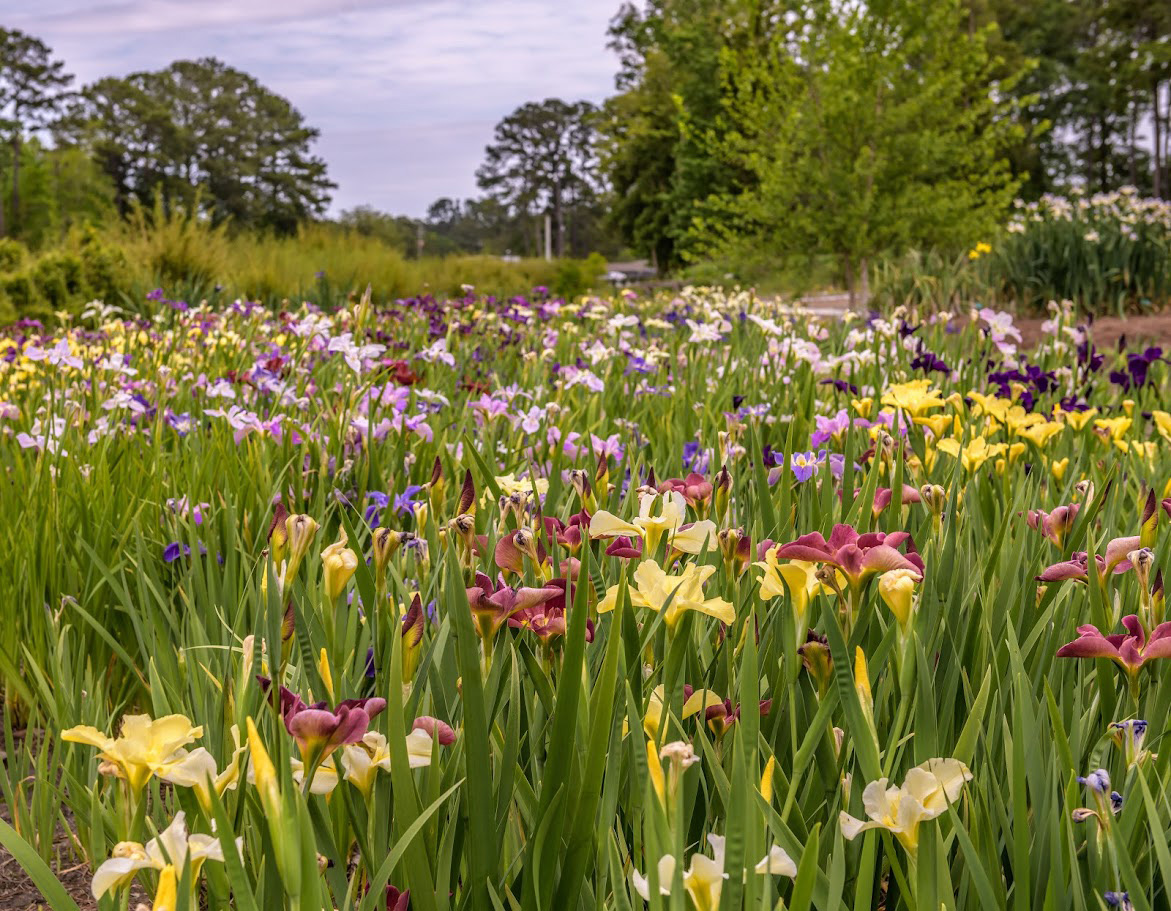
Rivers of Iris, by Howard Hackney
It’s all abuzz at Coastal Georgia Botanical Gardens – a garden wonderland in the low country. Bees, birds and butterflies are making their way from bloom to bloom, while guests are abuzz with their photos and real-time experiences, inspiring others to add the gardens to springtime itineraries.
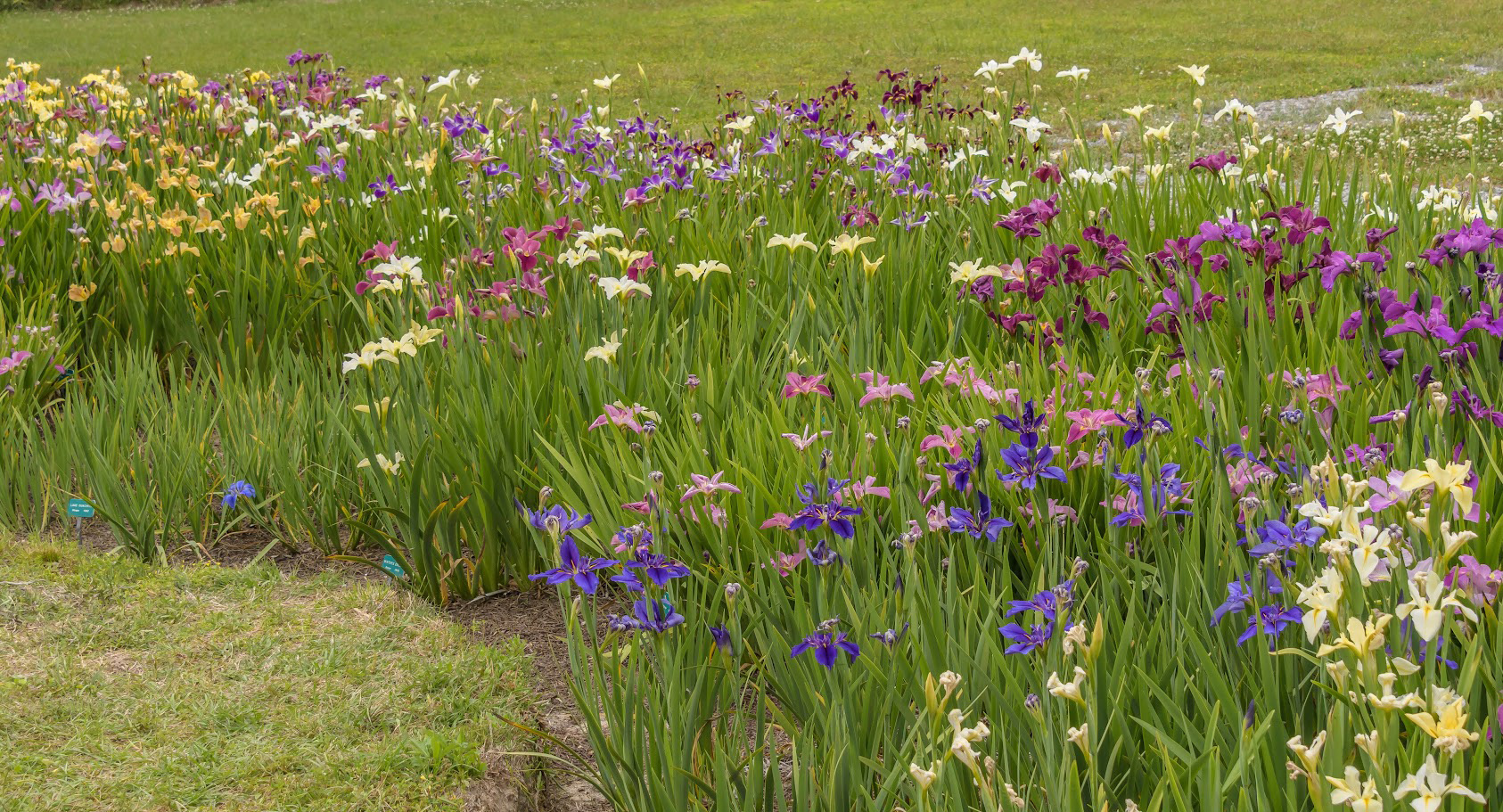
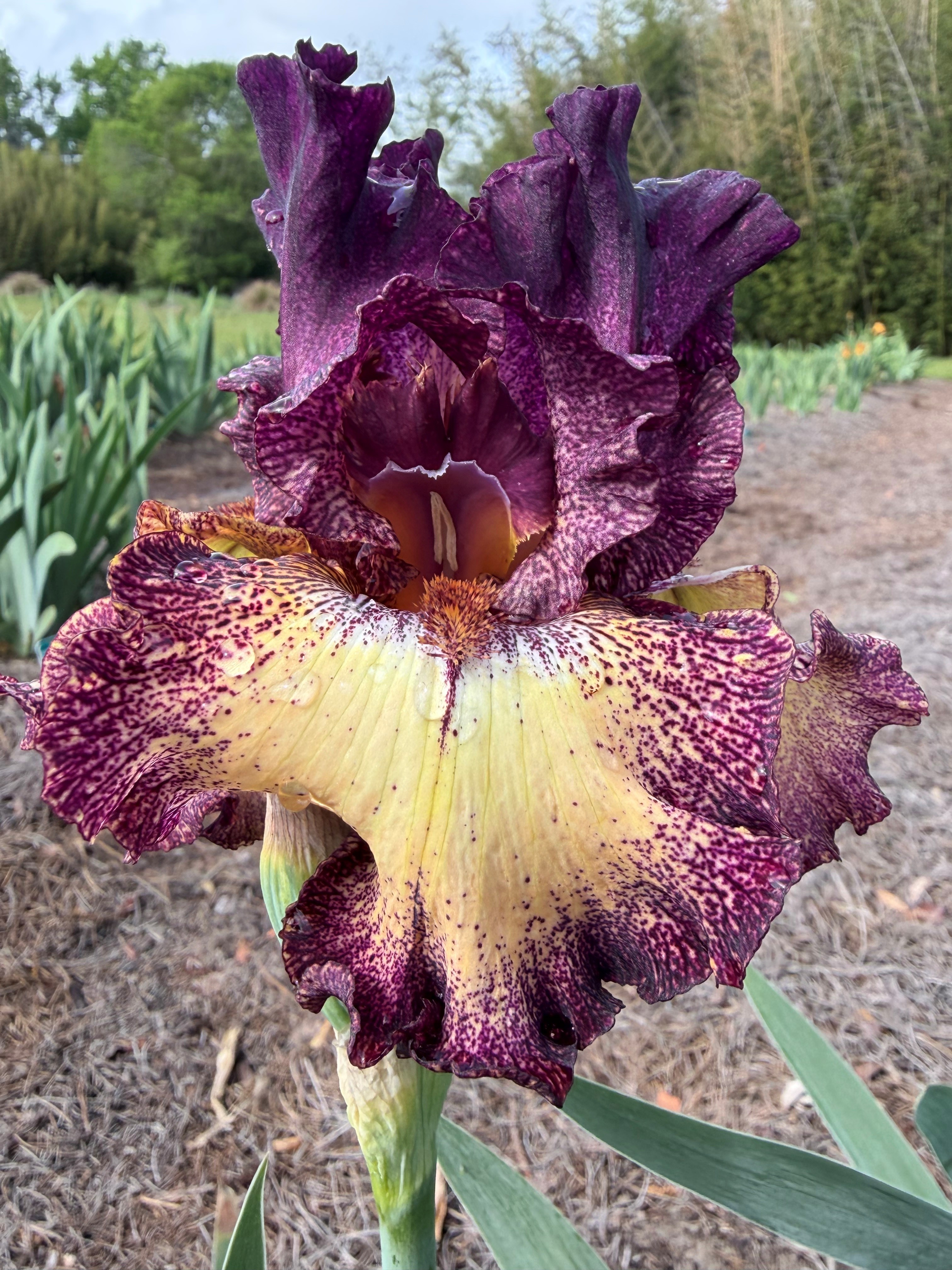
Peak boom at the Rivers of Iris Garden is in April and early May. Hundreds of Louisiana iris varieties sway in the breezes along low-lying swales that help drain excess moisture from the Tea Garden and Camellia Trail areas. Do the petals appear like fluttering butterflies to you?
After a heavy rain, slow-moving water flows through the iris plants in gently bending “rivers.” Louisiana irises are hybrids bred from five iris species native to the American South: Iris fulva, Iris giganticaerulea, Iris hexagona, Iris nelsonii and Iris brevicaulis.
Set your map apps to 2 Canebrake Road in Savannah – just minutes from Richmond Hill – and tour the Coastal Georgia Botanical Gardens. The Garden is a top Savannah attraction, offering a tranquil living museum experience for more than 100,000 annual visitors. It’s a regional destination centered around learning, recreation, research and cultural celebrations, with events all year.
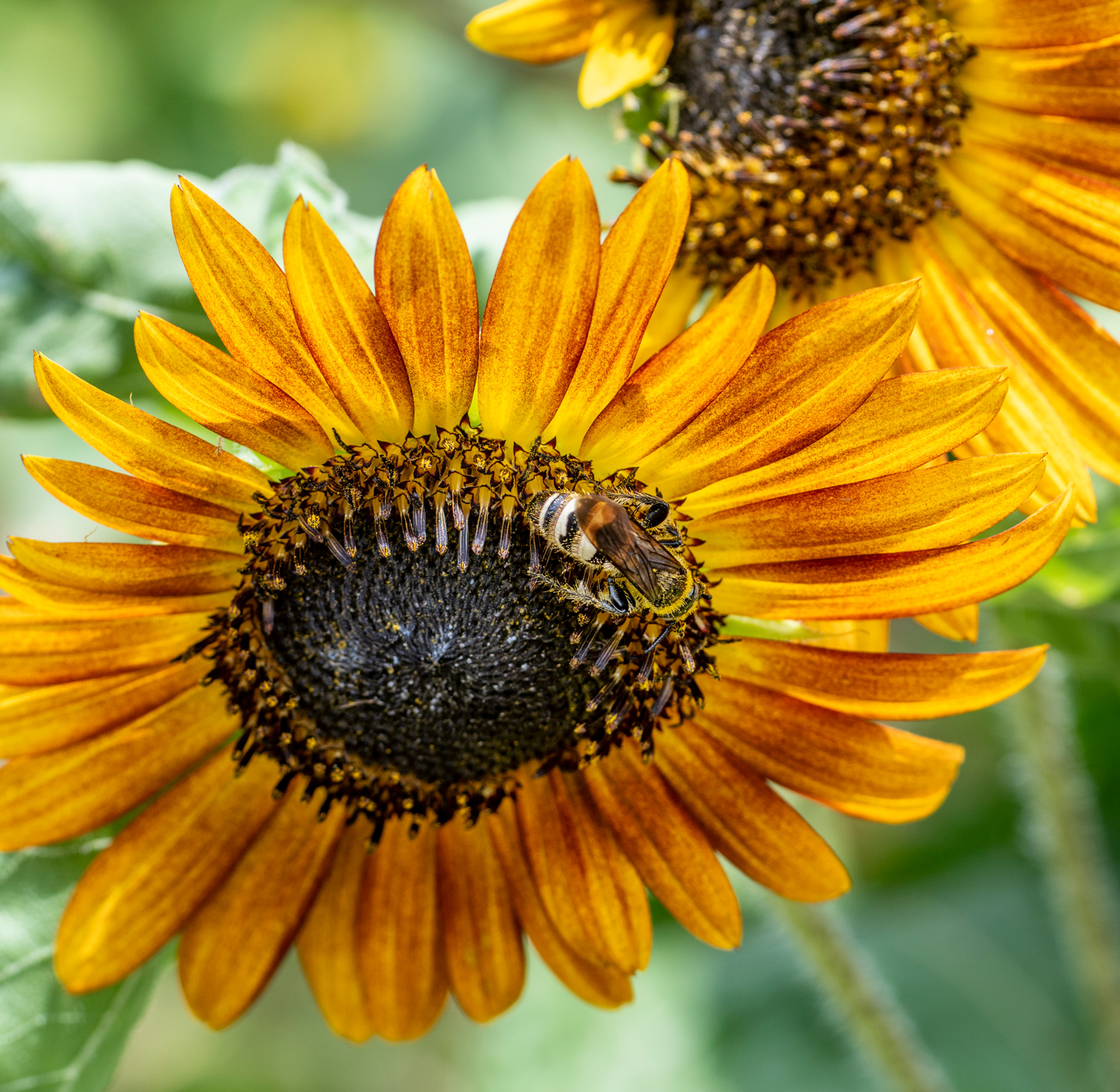
It’s not just about plants! With spring blooms, the 51-acre garden is also a birder’s paradise, with more than 150 bird species sighted.
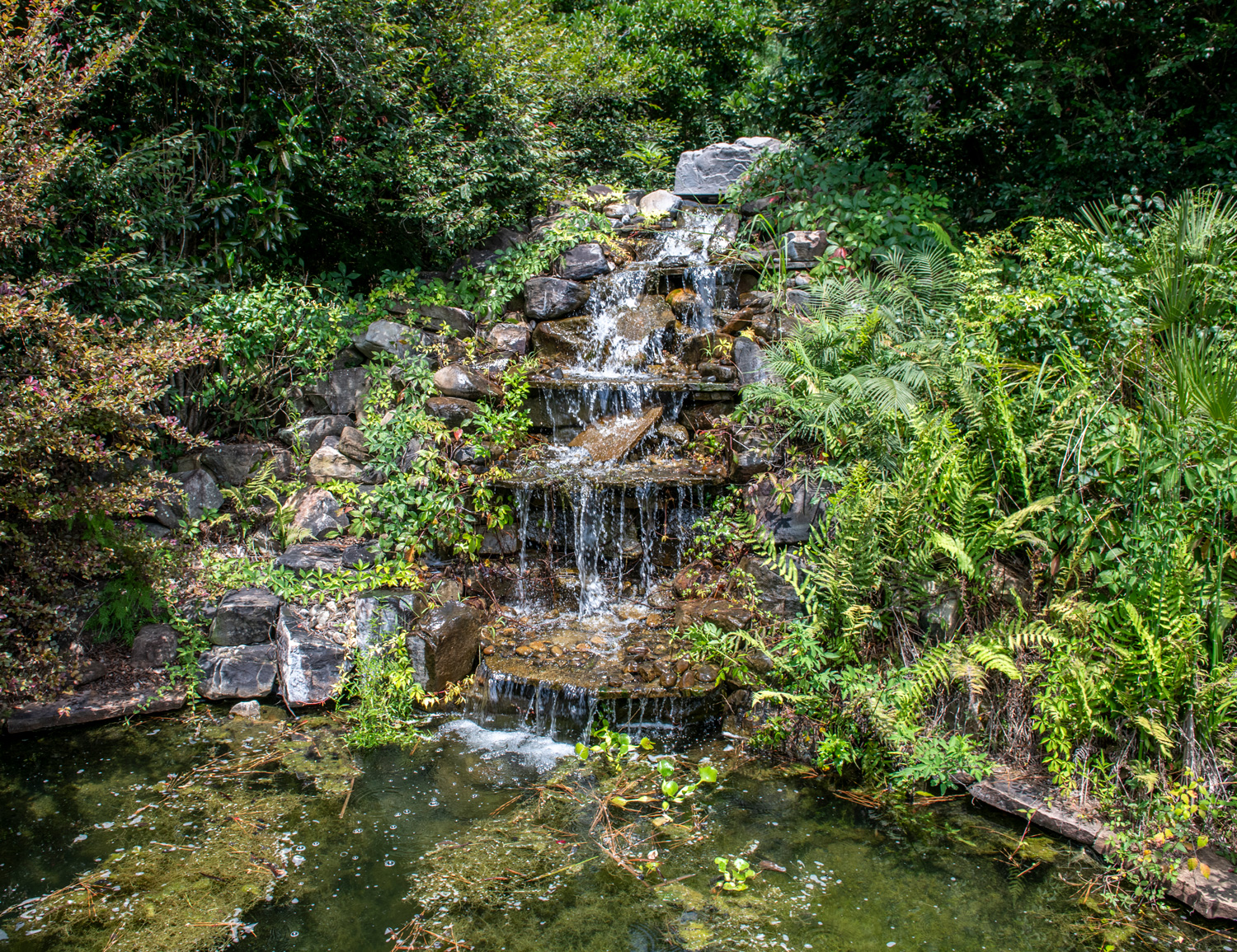
Most of the garden is ADA-accessible, with brick or crushed stone paths. There are a few areas with grass or mulched pathways. The garden has ample benches along the paths and shaded areas to enjoy the fragrances and views.
Highlights (Among a Dozen Themed Gardens)
- Barbour Lathrop Bamboo Collection – Investigate historic bamboo plantings, many brought here from eastern China a century ago, comprising a collection of more than 70 different species and cultivars.
- Trustees Garden – See historically accurate plantings of mulberries, sour oranges, grapes, figs, pomegranates and other plants trialed and used by the first colonists to settle in colonial Georgia.
- Orchid Greenhouse – View the Historic USDA Greenhouse #1 (1960s) for tropical orchids. In partnership with Deep South Orchid Society, this glasshouse is home to a wide array of orchids growing among appropriate tropical companion plants.
- Crape Myrtle Allee – Tour the 300-foot-long brick path lined by a collection of crape myrtles aglow with floral splendor from late June to mid-July. It’s illuminated during the garden’s December Nights & Holiday Lights season. Allee is derived from the French word for ‘aisle’.
- Woodland Shade Garden – Duck into the shade garden set around freshwater lakes where the high shade from slash and loblolly pines creates a habitat for native trees and shrubs, and wildflowers, spring-flowering bulbs and ferns. Numerous rare Asian- and American-native plants are being added, along with hundreds of Southern Indica, Encore, Satsuki and Glenn Dale azalea selections.
- Judge Arthur Solomon Camellia Trail – Here is one of the most diverse camellia collections in North America including the Sasanqua, snow, vernal and common camellias and their hybrids. The camellia is also referred to as “the winter rose” for blooming when it is otherwise chilly!
A visit of at least an hour is recommended. Georgia Coastal Botanical Gardens is open daily; closed on Mondays. Admission is $8 for adults, $6 for children ages 3–17, seniors (65+), and military members, and free for children 2 and under. Friends of Coastal Gardens members receive FREE admission. Plan your visit.
Coastal Georgia Botanical Gardens is a former USDA plant-introduction station that developed into a public 51-acre multipurpose farm and green space. It remains under the auspices of University of Georgia’s College of Agricultural and Environmental Sciences and UGA Cooperative Extension.
Another buzz – overnighting in Richmond Hill is the best secret. You are so close to Savannah attractions without the traffic and spring break crowds.
When you return from a day of exploring, use our Dining Passport to explore the international range of restaurant choices. Take a Spin in Henry Ford’s Southern Town by downloading the free app of the narrated driving tour or Historic Site Guide.